India's First Homegrown Bullet Train Facility Unveiled In Bengaluru
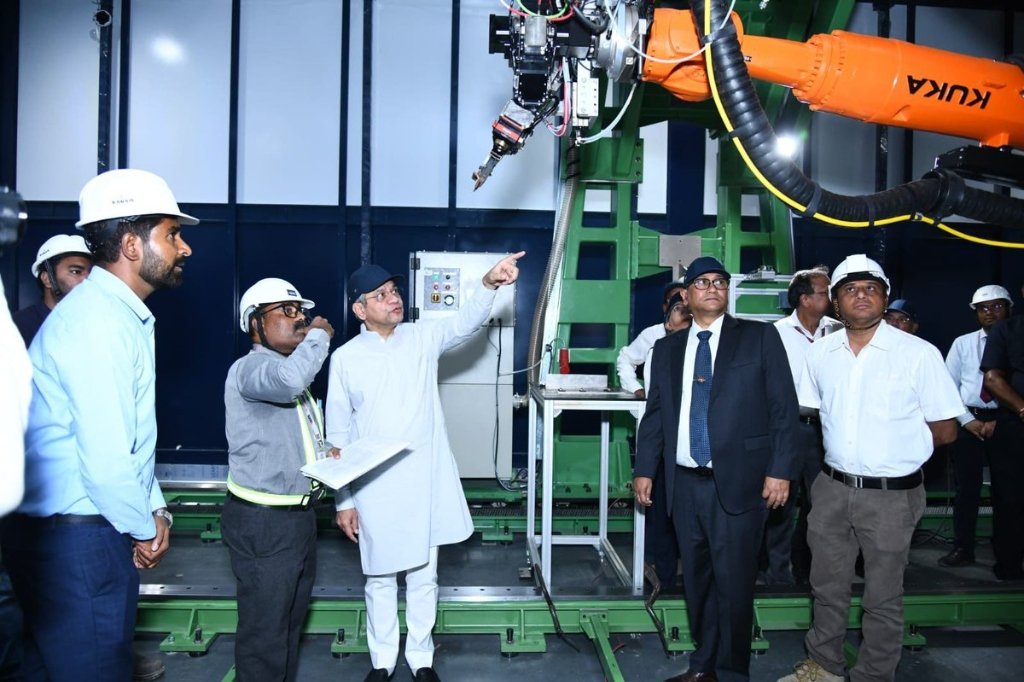
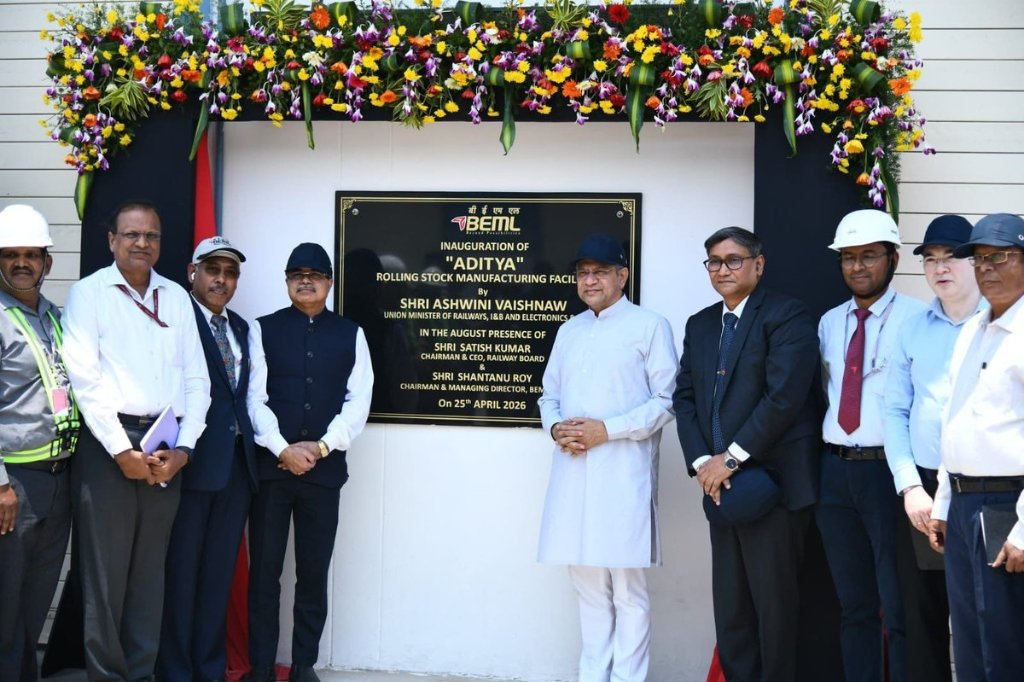
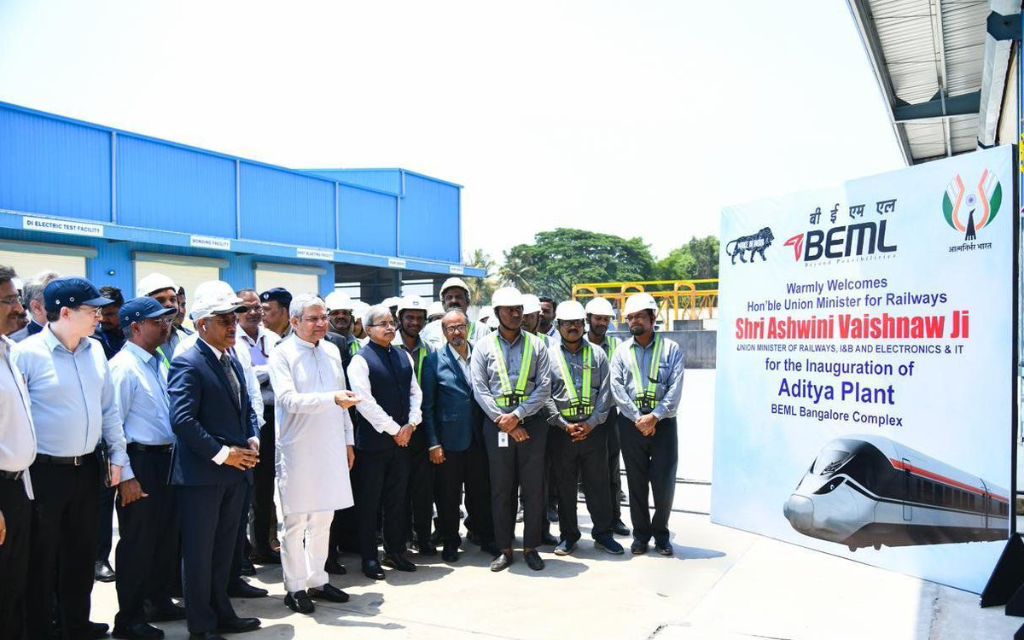
BENGALURU: Union Railway Minister Ashwini Vaishnaw has officially opened a high-speed rail manufacturing facility named "Aditya" at BEML in Bengaluru. This monumental inauguration marks a significant step forward in India’s domestic bullet train program and infrastructure expansion strategy.
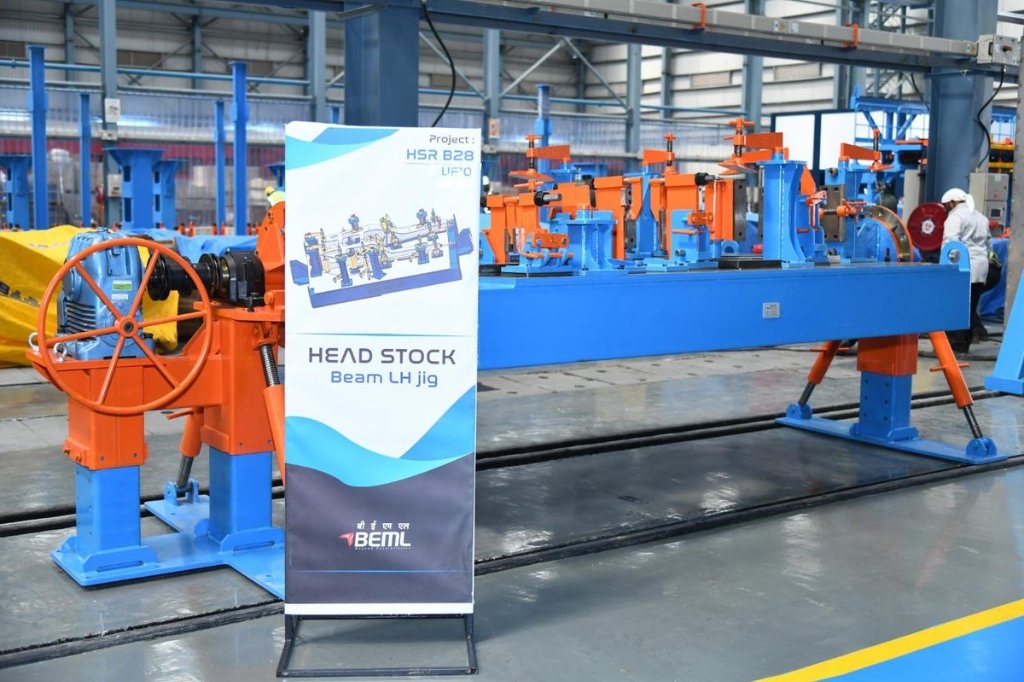
The state-of-the-art facility will produce components for India’s very first homegrown bullet train project (B-28). According to official timelines, the first prototype is expected to be delivered by early 2027, with the commencement of full-scale production strategically planned for later that same year.
A Milestone for Domestic Engineering
During the launch ceremony, Minister Vaishnaw emphasized that developing high-speed rail technology entirely within India is a critical milestone. It is set to heavily reduce reliance on foreign engineering and expertise, fundamentally strengthening specialized local engineering skills.
Interestingly, while this national announcement dominates headlines, infrastructure developments remain a key talking point in the Northeast as well. Followers of the breaking news guwahati circuit are heavily drawing comparisons, as citizens increasingly look out for the latest news guwahati regarding smart city rapid urban transit and connectivity upgrades that echo this scale of engineering.
Upcoming Karnataka Railway Projects
The minister also shared comprehensive updates on a multitude of other key railway projects sanctioned for Karnataka. He mentioned the highly anticipated upcoming Vande Bharat service designed to connect Bengaluru, Mangaluru, and Madgaon. Furthermore, aggressive plans are currently in place for a Vande Bharat sleeper train variation, along with a dedicated superfast transit line rapidly connecting Bengaluru and Mumbai.
He concluded by adding that foundational work on the Bengaluru Suburban Rail Project is progressing efficiently, marked by quicker land acquisition frameworks and accelerated construction efforts strictly aimed at dramatically improving deep-urban connectivity. High-speed rail, he stated, will permanently change inter-city travel dynamically by cutting journey times and pushing major hubs to operate as cohesive, integrated economic centers.