
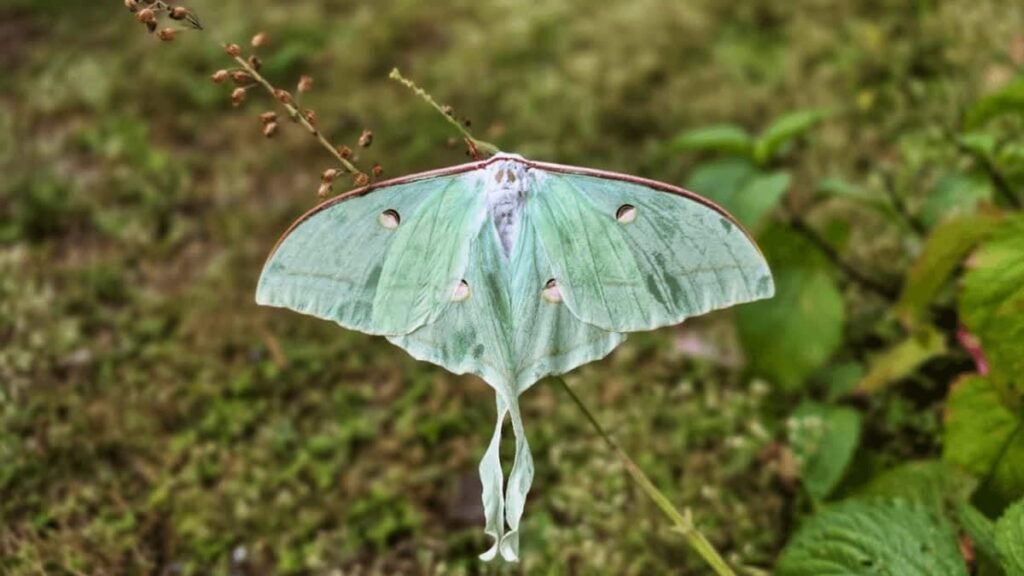
The discovery of a previously unknown species of moth from the forest-rich belt of the Melghat Tiger Reserve in Maharashtra highlights the significant amount of biodiversity that remains to be documented, even in relatively well-studied regions.
Melghat, a tiger reserve situated in the northern Satpura range, is known for its rugged hills, teak-dominated dry deciduous forest, and river catchments for several tributaries of the Tapti. The newly discovered moth adds to the growing list of lepidopteran richness in the reserve, expanding the researchers’ knowledge of ecological variety in the forest.
Why the Discovery Matters
The moths, along with other insects, are generally the invisible barometers of ecosystem health. Every new species recorded adds a little bit to the knowledge about habitat quality, interactions between species, and conservation value. Indeed, surveys over the years have established Melghat as home to a wide variety of butterflies and moths, making this latest find a meaningful addition.
Earlier, discoveries in other parts of Maharashtra, like the Western Ghats, have revealed new moth species or their subspecies, thereby changing the scientific understanding about insect diversity and biogeography. The current discovery thus suggests that even the central Indian forests, like Melghat, may hold several more hitherto unknown species waiting to be catalogued.
Conservation Implications
Melghat faces pressures common to many forested areas: shifting land use, habitat fragmentation, and human-wildlife conflict. Discoveries like this reinforce its importance as a biodiversity hotspot. Protecting such forests becomes much more important when you realise they house species unknown to science.
Many moth species serve as pollinators, prey for birds, bats, and amphibians, and as indicators of forest health. Conserving their habitat helps preserve entire ecological networks. This discovery provides new reasons for stricter protection of Melghat’s forests and a careful study of its lesser-known fauna.