
A rule proposed Friday that could impose much stricter screening on foreign visitors in the United States, will require travelers coming from about 42 countries to disclose detailed personal information before entering the country. People who presently benefit from visa-free travel under the Visa Waiver Program, such as those from the UK, Germany, Japan, and Australia, among others, may thus be affected by this ruling.
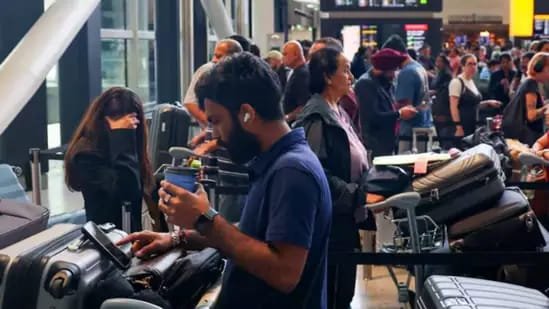
Under a draft rule published by U.S. Customs and Border Protection, applicants to the Electronic System for Travel Authorization, or ESTA-a system that allows citizens of visa-waiver countries to travel to the US without a traditional visa for up to 90 days-would be required to give up five years of social media history. That means listing all social media accounts they have used over that period as part of their application.
The proposed demands go well beyond social media. Travellers could also be compelled to declare:
- Telephone numbers used over the past five years
- The e-mail addresses used in the last ten years
- Names of family members, birth dates, and places of residence
Biometric data like facial images and fingerprints, possibly even DNA or iris scanning - IP address metadata from electronically submitted photos
That would bring visa-waiver countries’ citizens into a screening process similar to what long-term visa applicants have faced since 2019, when the disclosure of social media had already been required for many nonimmigrant and immigrant visas.
The U.S. government characterises the step as part of efforts to enhance national security and improve vetting of who enters the country. However, to critics, it persists-lovers of privacy and travel industry voices alike-things the expanded data collection could have major implications: personal privacy, freedom of expression, and deterring tourists and international business travellers-especially with major world events such as the 2026 FIFA World Cup looming.
Importantly, the proposal is not yet final. The notice opens a 60-day public comment period, during which individuals, organisations and others can weigh in before any changes are implemented. If it moves forward, this would represent one of the most significant expansions of US travel screening in recent years, extending deep digital scrutiny to short-stay visitors who previously faced much lighter requirements.