
Kalki, a movie that delves into the profound narrative of the tenth avatar of Lord Vishnu, who is prophesied to arrive on a white horse, heralding the end of Kali Yuga.
The film intertwines mythological prophecy with contemporary issues, offering a rich tapestry of lessons and reflections.

POST-MAHABHARATA CONTEXT & MODERN PARALLELS
The movie navigates the aftermath of the Mahabharata war, to draw parallels with the present day. It critically examines the moral and ethical decline of our times, highlighting the consequences if humanity continues on its current path. The narrative serves as a cautionary tale, urging viewers to introspect and realign their values for a better future.
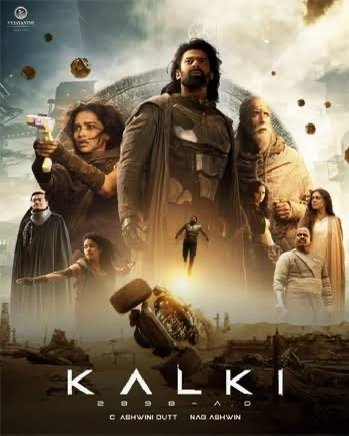
POVER VS BELIEF
A central theme in “Kalki” is the dichotomy between power and belief. The antagonists, equipped with power and advanced technology, contrast sharply with the inhabitants of Shambhala, who rely solely on their unity and unwavering faith in God. This contrast underscores a vital message: true strength lies not in physical prowess or technological advancements, but in collective belief and moral integrity.
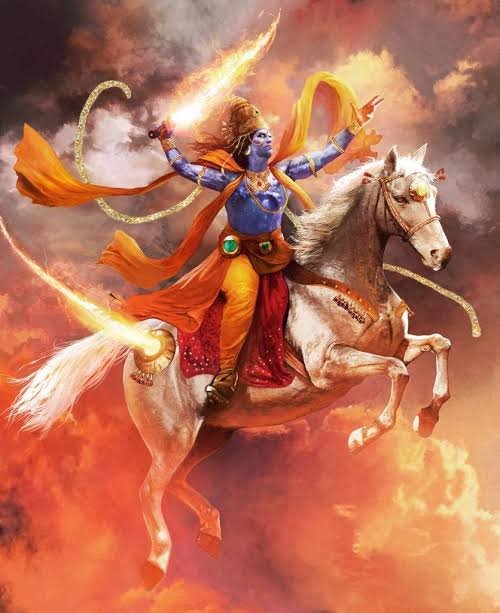
LIFE LESSONS BEYOND MYTHOLOGY
While rooted in mythological teachings, “Kalki” transcends to impart valuable life lessons. It challenges viewers to think about the ethical dimensions of their actions and the long-term implications of their choices. The film is a blend of myth and morality, offering a narrative that is both educational and thought-provoking.
In essence, “Kalki” is not just a retelling of ancient prophecies but a compelling exploration of contemporary moral dilemmas, urging humanity to seek inner peace and strength through unity and belief.