
The government of India has announced that E20 petrol with RON 95 grade will be mandatory at retail fuel pumps nationwide starting April 1, 2026. This change aims to strengthen energy security, reduce oil import costs, and cut vehicular emissions by mixing more ethanol with petrol.
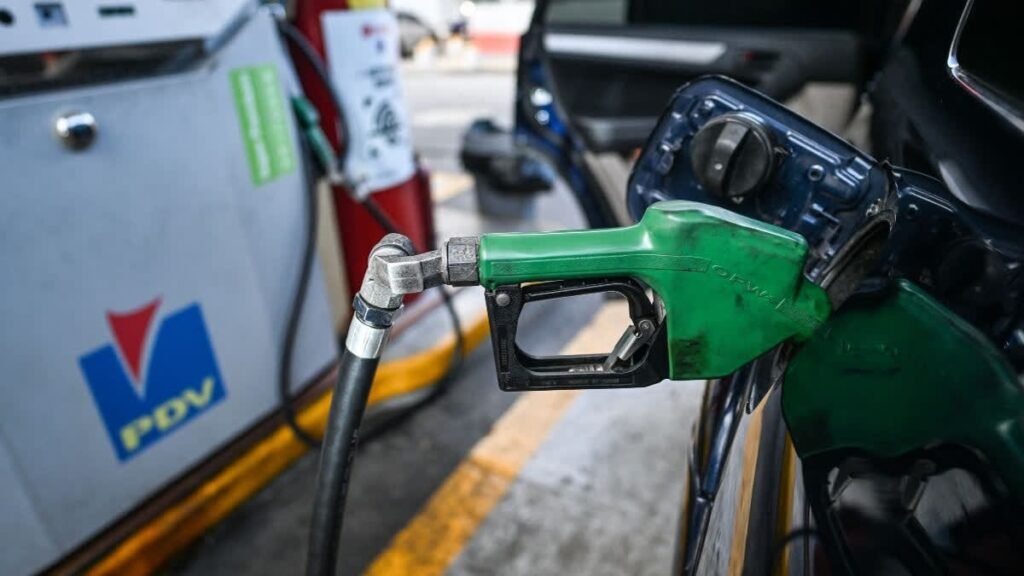
Under the new policy, all petrol retailers must provide E20 fuel, which is petrol blended with 20% ethanol, to customers at stations selling RON 95. This requirement follows a phased rollout of ethanol blending targets that India has pursued as part of its National Policy on Biofuels. The goal is to decrease reliance on fossil fuels and encourage cleaner alternatives.
Officials stated that the decision comes after discussions with oil marketing companies, refiners, and auto industry representatives. These consultations ensured that vehicles, pump equipment, and logistics would be compatible with the higher ethanol blend. Government sources indicate that vehicles certified for RON 95 petrol should run on E20 without any performance loss or warranty issues.
Ethanol for blending will mainly come from molasses-based and grain-based production facilities across the country. Over the past few years, the government has increased ethanol production capacity. It has incentivized sugar mills, distilleries, and private companies to meet blending targets and support the rollout of E20.
The shift to E20 is expected to deliver several benefits. Increased ethanol blending can help reduce carbon dioxide emissions, decrease particulate pollution, and contribute to cleaner air in urban areas. It also promises economic advantages by lowering reliance on crude oil imports, as greater domestic ethanol use can replace imported petrol.
Market analysts noted that the mandate will compel refiners and fuel retailers to upgrade infrastructure, like storage tanks and dispenser systems, to safely manage higher ethanol blends. Authorities have promised that protocols and safety standards will be strictly followed to prevent fuel adulteration or quality problems at retail outlets.
While the adoption of E20 has been advancing in certain regions and pilot markets, the April deadline sets a national standard for fuel transition in India’s transport sector. The policy fits into wider efforts to promote bioenergy, increase farm income through greater ethanol procurement, and help the country meet its climate commitments.
For consumers, this shift means RON 95 petrol will mostly be sold as E20 at pumps, without any extra cost at the nozzle. This approach is part of the government’s efforts to make cleaner fuels accessible without impacting prices directly.
The expanded E20 mandate positions India among a growing list of countries using higher ethanol blends to support energy transition goals, marking an important step in the evolution of the nation’s fuel landscape.