
Bhopal, March 27, 2026: Electricity consumers in Madhya Pradesh will soon notice an increase in their monthly bills after the Madhya Pradesh Electricity Regulatory Commission approved a 4.8% rise in power tariffs for the financial year 2026 and 2027. The new rates will start on April 1, 2026, and will apply to domestic, commercial, and industrial users.
This decision follows requests from power distribution companies in the state for a larger increase of over 10%. They cited rising operational costs and a significant revenue gap. However, the Commission decided to limit the increase to balance the financial health of utilities with the impact on consumers. Officials described the decision as a measured step meant to prevent excessive pressure on households while still addressing the needs of the power sector.
For consumers, this increase will lead to a moderate rise in electricity bills. Households with average usage will likely pay a bit more each month, with the increase depending on their consumption. While the adjustment may not be large, it will still noticeably affect middle and high-consumption users.
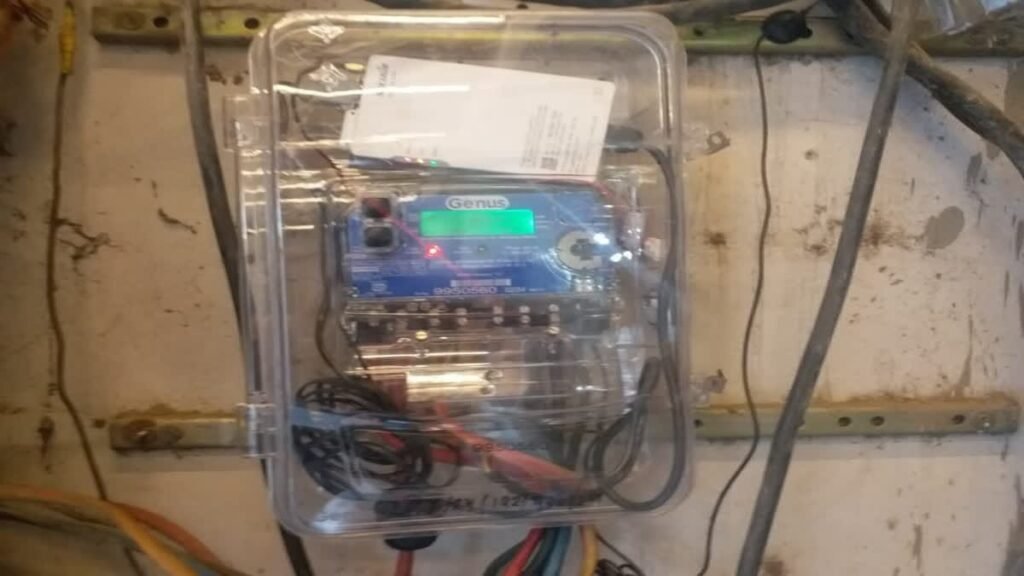
At the same time, the Commission has tried to lessen the impact of the tariff increase by introducing some relief measures. Certain groups, including low-income domestic consumers, will not experience an increase. Additional benefits, like discounts for smart meter users and incentives for energy-efficient practices, will continue to encourage better usage and reduce overall demand on the system.
The new tariff structure also supports a broader effort to modernize and make the power sector more sustainable. By encouraging smart metering and offering rewards for energy-efficient practices, authorities aim to improve distribution efficiency and gradually promote more responsible energy consumption.
This tariff revision follows a thorough review that included financial assessments and input from stakeholders. With the new rates set to begin in April, consumers across Madhya Pradesh will need to adjust their budgets, even as the government and regulators stress that the increase has been kept as low as possible given the situation.