
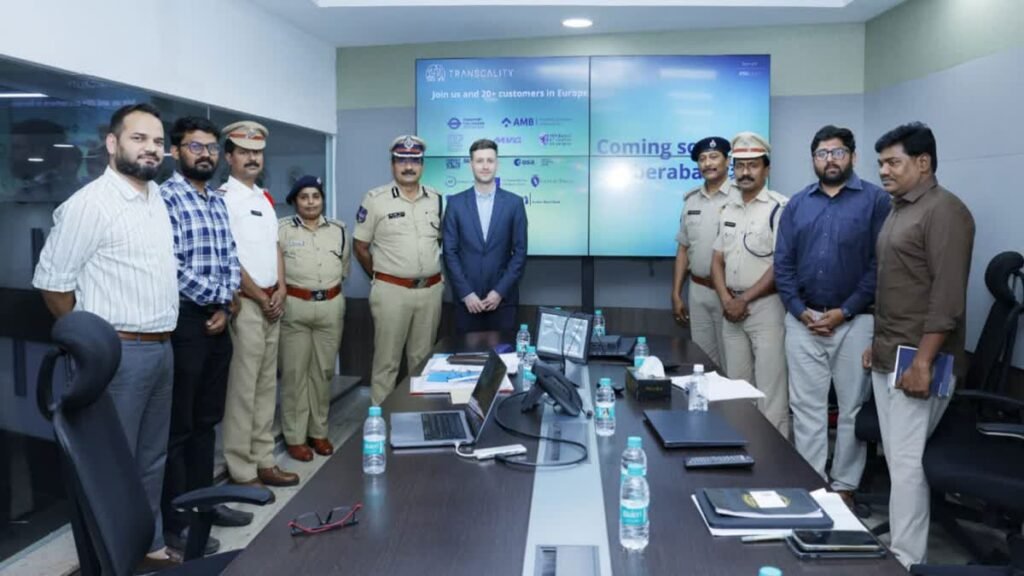
City authorities are set to launch a new AI-based traffic management model in Hyderabad to address increasing traffic congestion and improve road efficiency. This system, one of the first in India, aims to move traffic control from responding after problems arise to proactive management supported by real-time data and machine learning.
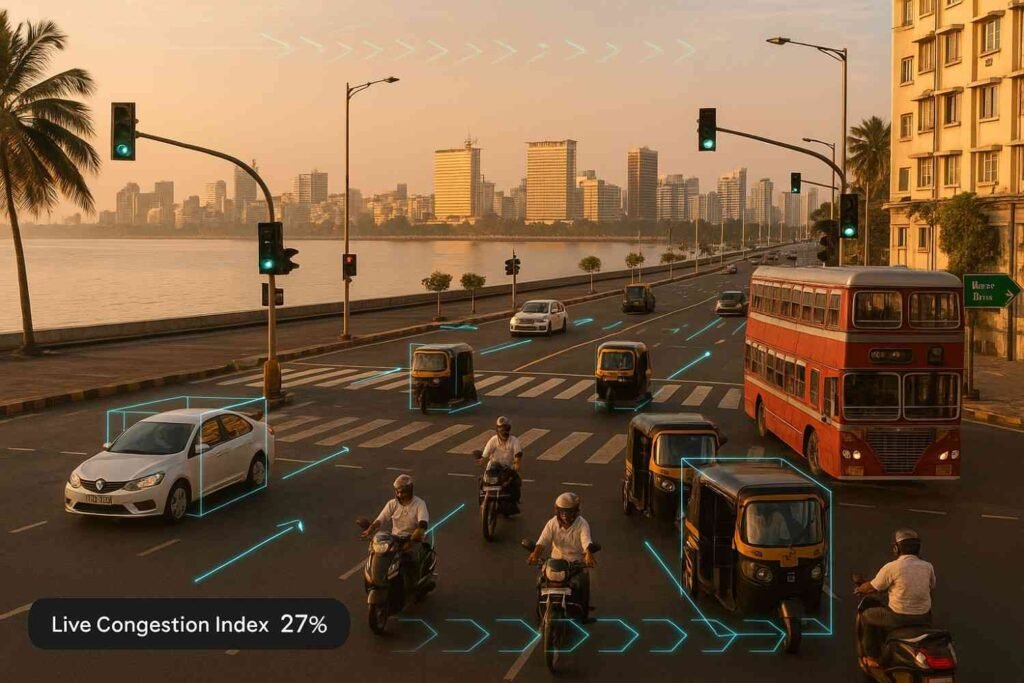
Traditional traffic systems usually react to congestion only after it happens, changing signal timings based on current conditions. In contrast, the new model uses artificial intelligence to predict traffic patterns 15 to 30 minutes in advance by analyzing a steady stream of data from sensors, CCTV cameras, GPS feeds, and past travel trends. By detecting congestion hotspots early, traffic controllers can adjust signal timings, manage traffic flows, and deploy resources before gridlocks form.
Officials plan to test the model on key corridors and highly congested intersections in Hyderabad, with plans for a broader rollout if initial outcomes are promising. The Hyderabad Traffic Police will collaborate with city planners and IT specialists to integrate the system into current infrastructure and enforcement setups.
During the pilot phase, AI algorithms will analyze inputs from various sources and generate predictive alerts and adaptive signal strategies in nearly real-time. The system’s machine learning foundation will improve its accuracy over time, learning from changing traffic behavior, weather conditions, and special events like public gatherings or road closures.
Officials expect several benefits from this model. By reducing delays during peak hours, it should shorten travel times for daily commuters and commercial vehicles, relieving stress on urban roads. Better traffic flow will likely lead to reduced vehicle emissions, supporting environmental goals in one of India’s most populated metropolitan areas. Additionally, improved foresight into traffic patterns will help authorities send patrol units or reroute vehicles before conditions worsen.
Urban planners also aim for the insights from the AI system to aid long-term transportation strategies, such as enhancing public transit networks and focusing on infrastructure upgrades where data shows ongoing bottlenecks.
Experts warn that the model’s success will rely on the quality and consistency of data feeds, along with ongoing adjustments to the algorithms to fit local traffic patterns. Effective collaboration with enforcement agencies and encouraging public adherence to traffic rules will also be crucial for achieving real improvements.
If Hyderabad’s predictive traffic management project is successful, it could serve as a model for other Indian cities facing congestion and urban mobility challenges, demonstrating how technology can enhance daily travel experiences.