
India’s basmati rice exports have faced a severe downturn as tensions in the Middle East disrupt shipping through the Strait of Hormuz, a vital global trade route. The crisis comes amid ongoing conflict involving the United States, Israel, and Iran, which has greatly impacted maritime movement.
The Strait of Hormuz handles a large portion of global trade, but shipping activity has dropped sharply due to security concerns and rising insurance costs. Many vessels are completely avoiding the route, resulting in delays and canceled export shipments.
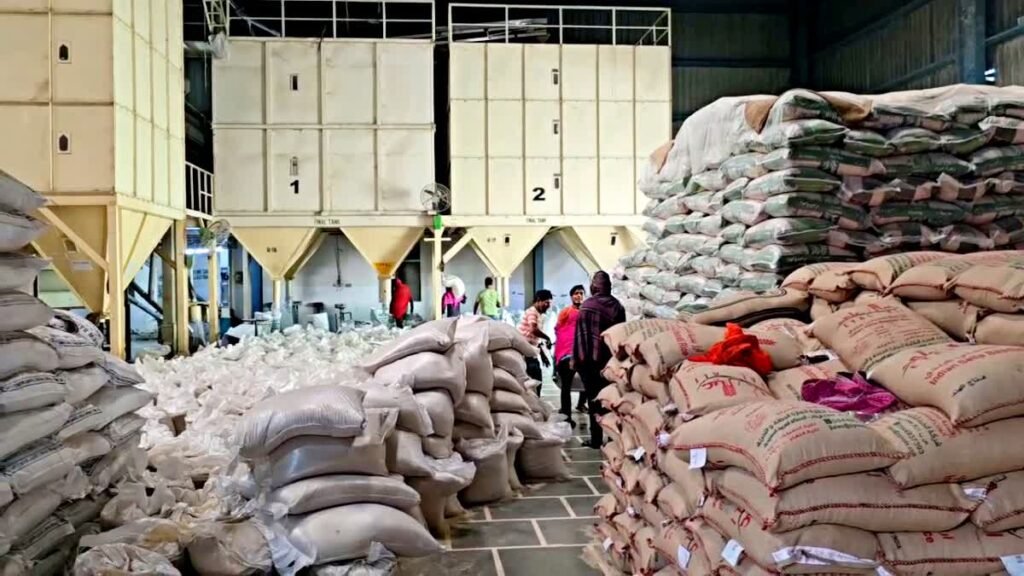
As a result, substantial amounts of Indian basmati rice are stuck at ports or en route. Reports show that thousands of tonnes of shipments destined for countries like Iran and other Gulf nations are encountering delays, with exporters struggling to meet their contracts.
Exporters face increasing freight costs and uncertainties around payments as banking channels related to Iran experience disruptions. This has slowed new trade deals, with buyers hesitating to make purchases amid the instability.
The Middle East comprises a significant share of India’s basmati exports, making this sector especially exposed to geopolitical tensions in the region. Industry experts caution that extended disruptions could lead to financial losses and affect farmers and traders in key production states.
The situation underscores how global conflicts directly impact India’s trade flows, with the agriculture sector now experiencing the effects of a broader geopolitical crisis.