
NASA has postponed the planned Artemis II crewed mission to the Moon again due to ongoing technical issues with the spacecraft’s systems, agency officials announced on Friday.
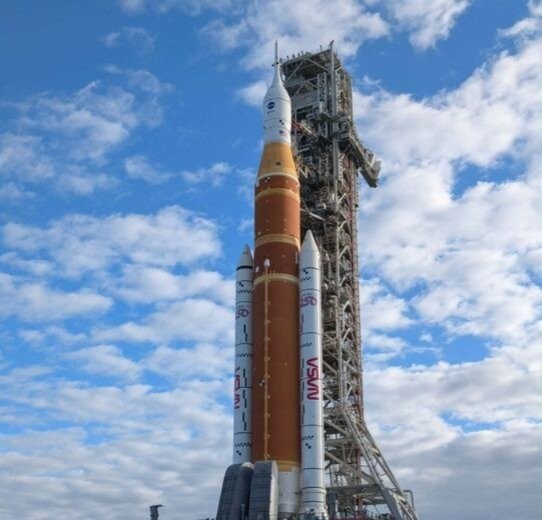
The mission, which was supposed to send astronauts on a lunar flyby later this year, will now be delayed for further testing and verification of critical hardware. This decision follows anomalies found during pre-launch preparations at the Kennedy Space Center in Florida. NASA stated that ensuring crew safety and mission success was more important than sticking to an ambitious timeline.
In a statement, NASA highlighted that the identified issues involve spacecraft propulsion and avionics components. Additional checks are necessary to ensure that the systems operate within design specifications under all expected conditions. Engineers are conducting detailed diagnostics to find the root causes and implement required fixes. The agency has not yet announced a new launch window, noting that the revised schedule will depend on how quickly technical issues are resolved and subsequent tests are conducted.
The Artemis program aims to bring humans back to lunar orbit and eventually land astronauts on the Moon. It has faced several delays and scheduling changes since it started. Artemis II is a crucial mission because it will be the first crewed launch in NASA’s renewed Moon exploration efforts, following uncrewed test flights and hardware validation missions.
NASA Administrator Bill Nelson mentioned in an internal briefing that setbacks are a normal part of space exploration. He stressed that maintaining the highest standards of reliability and safety is essential when human lives are involved. He added that the Artemis design has shown strength in earlier parts of the program and that the challenges faced in the current mission are routine parts of engineering diligence.
The crew selected for Artemis II consists of veteran astronauts chosen for their experience and skills. They will continue their training and take part in more simulations as the agency addresses the technical issues.
This latest delay comes amid growing public and congressional interest in NASA’s human spaceflight plans, which include the upcoming Artemis III lunar landing mission and future Mars exploration. Space industry analysts say that while delays may raise program costs and extend timelines, they are often necessary to lower risks in complex systems.
NASA has committed to providing regular updates on troubleshooting progress. They expect to reveal a revised launch date once the teams are confident that the vehicle is prepared for a safe crewed flight.