
NASA is changing its long-standing rules about personal technology astronauts can bring into space. For the first time, modern smartphones will be allowed on government space missions as part of a new era of human spaceflight.
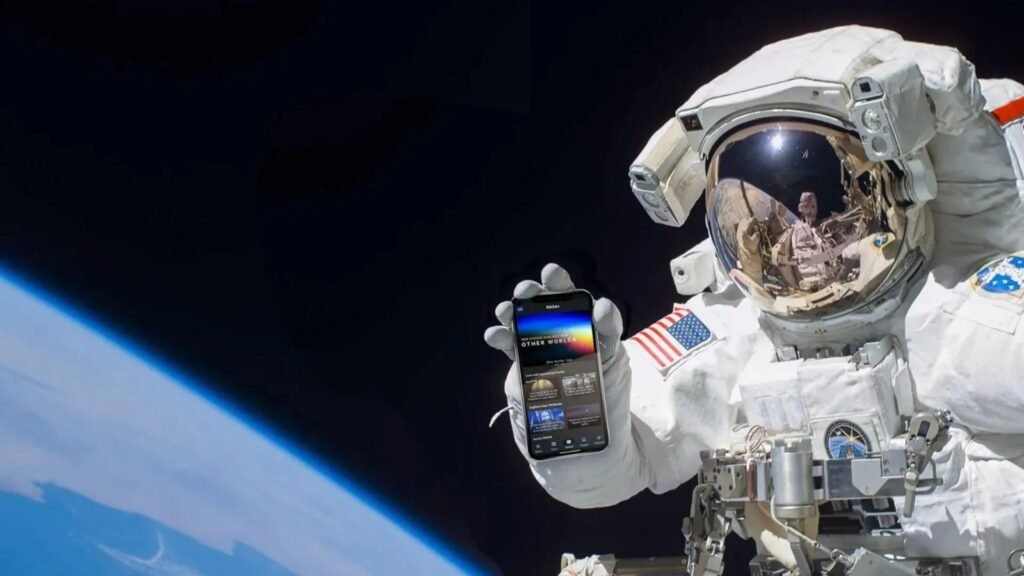
In a social media announcement, NASA Administrator Jared Isaacman shared that astronauts on the Crew-12 mission to the International Space Station (ISS) and the Artemis II lunar mission can carry their latest iPhones or Android devices into orbit and beyond.
This marks a significant shift from past practice, when NASA limited crew-carried cameras to older, space-qualified models like decade-old Nikon DSLRs and GoPros that had already passed rigorous testing. By approving modern consumer smartphones for spaceflight, the agency recognizes the value of more flexible and capable imaging tools for both documentation and personal use.
“We are giving our crews the tools to capture special moments for their families and share inspiring images and video with the world,” Isaacman said. He noted that the policy change also reflects a quicker hardware qualification process than what NASA has traditionally followed.
The Crew-12 mission is set to launch soon. It will take astronauts to the ISS aboard a SpaceX Crew Dragon spacecraft. Meanwhile, Artemis II, the first crewed lunar flyby mission in NASA’s Artemis program, is planned for March after delays due to weather and technical issues. Both missions will now allow up-to-date smartphones in crew personal payloads.
Allowing smartphones onboard does more than give astronauts better tools for selfies. These devices have high-quality cameras, video capabilities, and user-friendly interfaces that can capture spontaneous events without the preparation needed for heavier professional equipment. NASA says they can work alongside existing gear, providing richer and more personal perspectives on life in orbit and during lunar missions.
This change also brings NASA in line with trends in commercial spaceflight, where private astronaut missions have allowed personal devices onboard. It reflects a broader goal to make space missions more engaging and relatable for the public.
In practical terms, astronauts can now record daily life aboard the ISS, capture views of Earth and the Moon, and share moments with families back home in ways that were impractical under older technology restrictions. This approach could bring a more human touch to space exploration.