
In a landmark decision on 10 December 2025, UNESCO formally inscribed Diwali into its Representative List of the Intangible Cultural Heritage of Humanity. The move grants significant global recognition to one of India’s most cherished festivals.
The culture and tourism minister of India termed this inclusion “historic” and called it a matter of national pride, highlighting the fact that Diwali is significant to generations of people who keep its traditions alive, from lamp-making artisans to families lighting diyas, preparing sweets, and offering prayers.
Observers said the timing carries a special symbolic weight-a UNESCO committee meeting, where the decision was taken, is being held for the first time in India’s capital, bringing global attention to the country’s living cultural heritage.
Inclusion means: keeping the living traditions alive
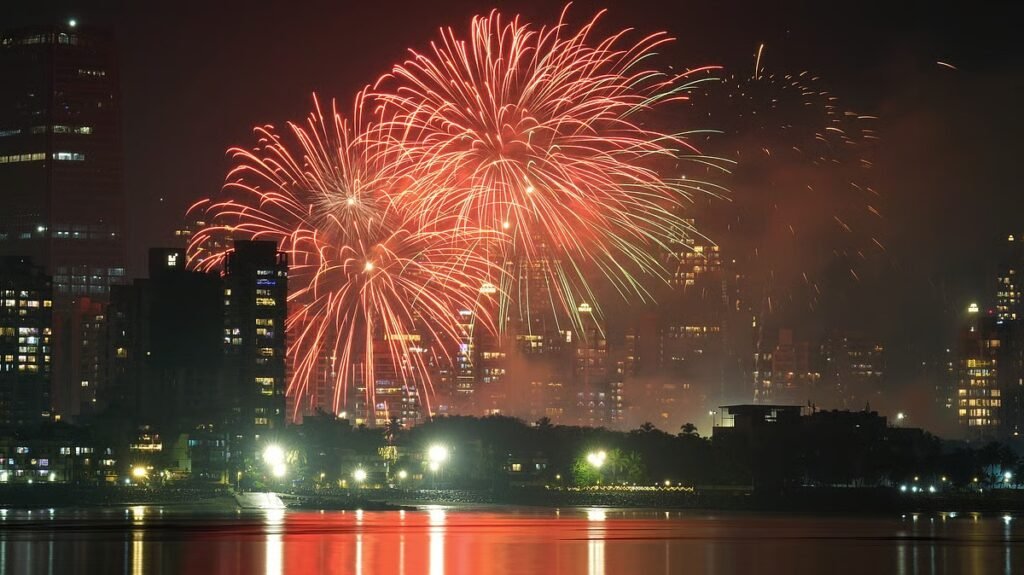
According to UNESCO’s official description, Diwali is more than a festival — it is a shared communal experience celebrated across regions, religions and communities, steeped in history, seasonal rhythms, and a sense of renewal. Festivities include cleaning and decorating homes and public spaces, lighting lamps and candles, bursting fireworks, and offering prayers for prosperity and hope.
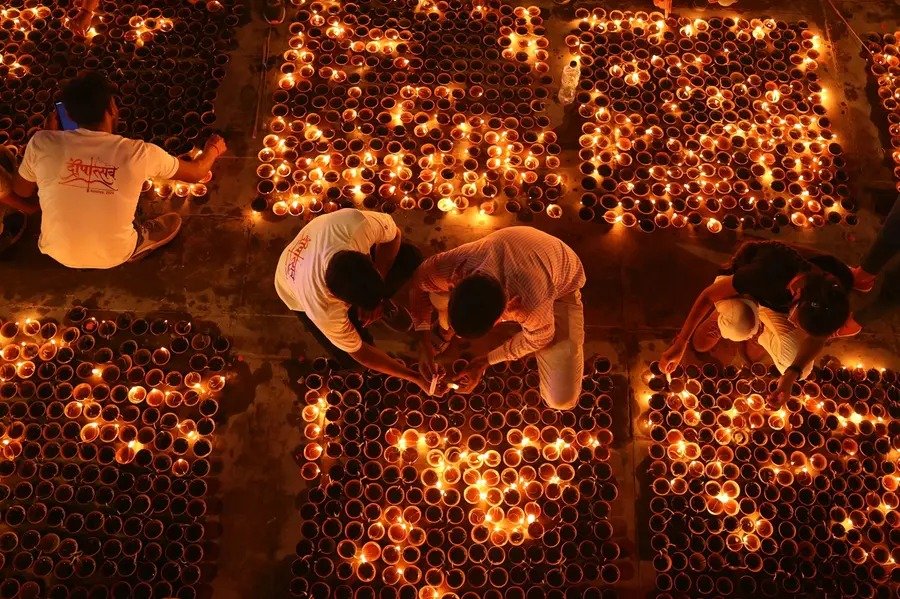
By giving Diwali this heritage status, UNESCO aims to preserve and promote such living traditions that are evolving but rooted in culture for their continuance to remain relevant for generations to come. It also raises the profile of the festival globally, with a potential strengthening of cultural understanding and respect across borders.
Responses from India’s political and cultural leadership
The official announcement immediately provoked reactions from the country’s leadership. The Prime Minister welcomed the decision and termed Diwali as deeply connected with culture, ethos, and civilisation symbol of “illumination and righteousness.”
The recognition was hailed by cultural custodians and heritage advocates as vindication for India’s diverse, living traditions. They said the acknowledgement brings attention not just to grand temple or festival rituals but to grassroots practices, artisans, local communities, and families upholding the tradition year after year.
Why this matters now
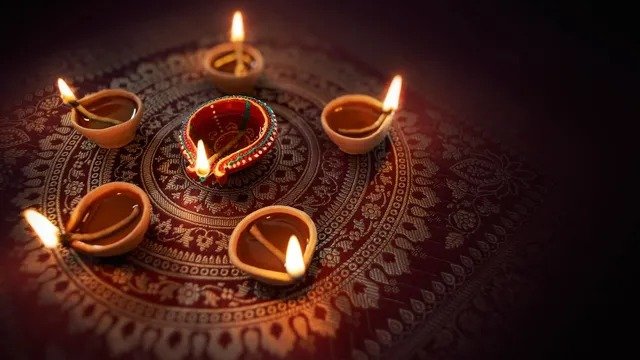
With Diwali on the UNESCO list, there is fresh urgency and opportunity for safeguarding the intangible aspects of the festival-traditional lamp-making, folk arts, community celebrations, and sustainable ritual practices, particularly as the world faces rapid urbanisation and cultural shift.
Besides, the inclusion of Diwali pertains to an effort at cultural diplomacy since India hosts the current session of UNESCO heritage, a fact that heritage is not just monuments, but living and breathing practices unifying millions across religions and regions. To many Indians and people in the diaspora, this is more than recognition; it’s more of a verification that the festival interwoven into the day-to-day is something with universal values: hope, renewal, light against darkness, community, continuity.